

Study Examines Family-Building Challenges for Military Service Members
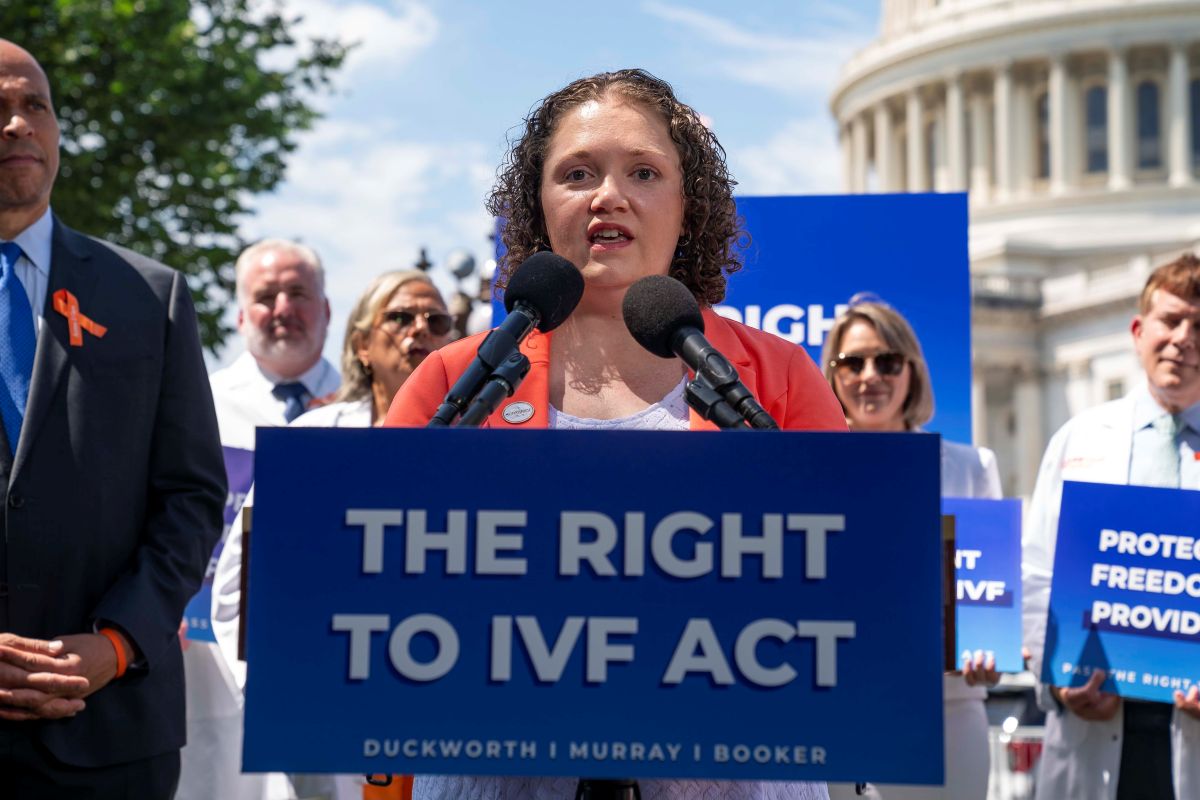
Julie Eshelman stands on the steps of the U.S. Capitol while advocating for greater awareness and support for families facing infertility challenges
New Survey Reveals Growing Fertility, Financial, and Family-building Challenges Across the Military Community
WASHINGTON D.C. , DC, UNITED STATES, June 17, 2026 /EINPresswire.com/ -- For many military families, the journey to parenthood is becoming another battle fought in silence. As June marks World Infertility Awareness Month, advocates are working to shine a light on the emotional, physical, and financial toll infertility can take on service members and veterans longing to grow their families.
A newly released national survey from Building Military Families Network reveals that military families across every branch of service are facing mounting obstacles to building the families they desire. Financial barriers, limited fertility coverage, military relocations, deployments, long wait times for care, and a lack of consistent support are forcing many service members and their spouses to delay parenthood, take on significant debt, or reconsider their military careers altogether.
The findings are based on responses from 242 military-connected individuals representing active-duty service members, veterans, military spouses, reservists, and National Guard families. Together, their experiences paint a picture of a challenge that extends far beyond healthcare and into the broader issues of military readiness, retention, and family well-being.
More than half of participants reported receiving a formal infertility diagnosis, a rate significantly higher than estimates seen in the general population. Many described years spent navigating treatment cycles that were interrupted by PCS moves, deployments, training schedules, and extended separations from spouses. Others shared stories of postponing parenthood to meet military obligations, only to discover later that fertility challenges had become more severe and more expensive to address.
For many families, the greatest obstacle is not medical but financial. The cost of fertility treatments, medications, embryo storage, transportation, and reproductive healthcare services continues to place significant strain on military households. Limited fertility coverage through TRICARE emerged as one of the most common concerns, leaving many families to pay substantial out-of-pocket expenses or abandon treatment plans altogether.
"The data is clear: military families are being forced to choose between serving their country and building their families," said Julie Eshelman, Founder, CEO, and President of Building Military Families Network. "These barriers impact morale, readiness, retention, and long-term force sustainability. Family building is not a luxury benefit. It is a quality-of-life issue that directly affects our nation's military strength."
The challenges do not stop there. Families reported waiting months, and in some cases more than a year, to access fertility specialists. Many described confusion surrounding referral processes and frustration with inconsistent provider knowledge regarding infertility guidelines and available resources. Others expressed concern that pursuing fertility treatments, taking family-building leave, or becoming pregnant could negatively affect assignments, promotions, evaluations, or career progression.
The survey also shines a spotlight on an issue receiving growing national attention: the potential impact of military occupational and environmental exposures on reproductive health.
Military families reported exposure to burn pits, jet fuel and diesel exhaust, radiation, industrial solvents, extreme environmental conditions, and hazardous housing conditions including mold, asbestos, and lead paint. Despite widespread concern among participants that these exposures may be contributing to fertility challenges, very few reported receiving formal evaluation, recognition, or support related to potential service-connected reproductive health impacts.
As discussions around toxic exposures continue to expand throughout the military and veteran communities, many families are calling for additional research, greater awareness, and policies that recognize reproductive health as an important component of military and veteran healthcare.
The findings arrive at a critical moment as lawmakers, military leaders, and healthcare advocates continue discussions about fertility coverage, military family support, and force retention. Many participants indicated they would be more likely to continue military service if comprehensive family-building support and fertility benefits were available, highlighting the connection between personal family goals and long-term military retention.
Building Military Families Network is urging policymakers, military leadership, and healthcare stakeholders to take action by expanding access to fertility care, improving provider education, strengthening continuity-of-care protections during military relocations, and ensuring that military families receive the support necessary to pursue parenthood without sacrificing their careers or financial stability.
"Supporting military families isn't simply a healthcare issue," Eshelman added. "It's a readiness issue. It's a retention issue. And ultimately, it's about honoring the people who have dedicated their lives to serving our nation."
About Building Military Families Network: Building Military Families Network is a national 501(c)(3) nonprofit organization dedicated to supporting military and veteran families navigating infertility, pregnancy loss, adoption, surrogacy, and other family-building challenges. Through advocacy, education, support programs, and policy initiatives, the organization works to ensure no military family has to face the family-building journey alone.
Media Contact
Julie Eshelman
Founder, CEO & President
Building Military Families Network
For interviews, speaking opportunities, or to request a copy of the 2025 Military Family Building Survey Comprehensive Report, please us the Building Military Families Network "Contact Us" form.
Ali Craig
Victor + Valor
ali@victorvalor.org
Legal Disclaimer:
EIN Presswire provides this news content "as is" without warranty of any kind. We do not accept any responsibility or liability for the accuracy, content, images, videos, licenses, completeness, legality, or reliability of the information contained in this article. If you have any complaints or copyright issues related to this article, kindly contact the author above.
